


People used to only talk about gut health in niche wellness circles, but now it's something that comes up in everyday conversation. It's not enough to just avoid junk food or take random probiotics anymore.
People are becoming more and more interested in what is really going on inside the body and why some diets work for some people but not others. That's when at-home microbiome tests like Viome start to make sense.
These tests don't just guess which foods are "healthy"; they show how your body reacts to them. It sounds like a simple idea, but the steps that go into it are more complicated than most people think.
What the Process Actually Looks Like

The experience starts pretty simply. You order a kit, and it comes to your house with everything you need. The instructions are clear and you don't need to have any medical knowledge to understand them.
You sign up for your kit online, collect your sample at home, and send it back to the lab.
For gut-focused testing, the sample is stool-based, which is the usual way to find out what's going on in your microbiome. Along with that, you fill out a survey about your eating habits, daily routine and how you've been feeling lately.
After that, you mostly have to wait. It makes sense that results take a few weeks to come in, given how much data is being analyzed.
What They Are Measuring
This is where things start to get more exciting. There are a lot of tests that can tell you what bacteria are in your gut. This one tries to go further and find out what those microbes are really up to.
Viome uses RNA sequencing, which focuses on gene expression. In other words, it looks at how active your microbes are and how they act in your body.
That difference is more important than it sounds. Two people can have the same microbes, but their bodies can react very differently based on their diet, stress and lifestyle.
Reading Your Results
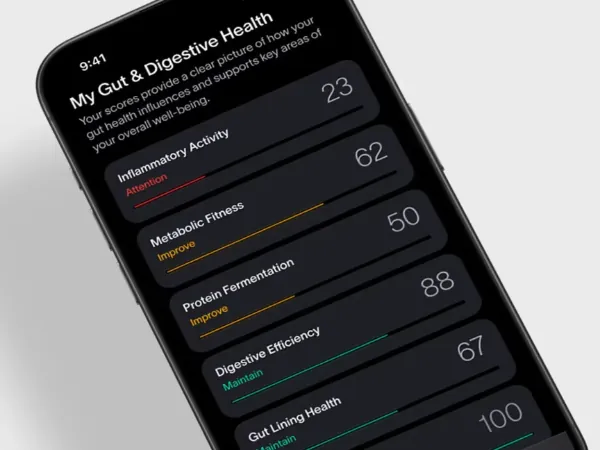
Your report isn't just a one-page summary when it comes in. You get a number of health scores that show how well you're doing in different areas.
The gut-focused test gives you 20 or more scores that look at things like how well you digest food, how much inflammation you have, how diverse your gut bacteria are, and how strong your gut lining is.
You can also see patterns that have to do with your energy level, immune system and how well your body is working in general.
It doesn't feel like a list of problems. It seems more like a map that shows how different parts of your body are connected.
The Food List Surprise
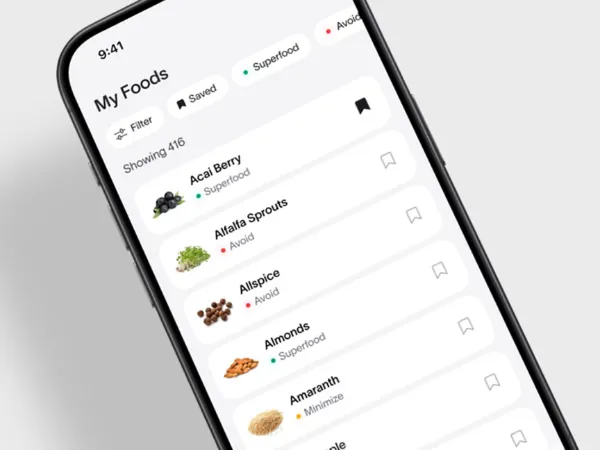
The most practical part of the results is usually the food recommendations. This is where things start to feel personal in a way that generic diet plans never really do.
Instead of broad advice, you get a detailed list of foods based on how your microbiome reacts to them. Some are marked as beneficial, others as neutral, and some as foods you might want to limit for now.
This is also where expectations get challenged a bit. Foods that are usually considered “healthy,” like spinach or almonds, may not suit everyone if their body struggles with certain compounds.
Even vegetables like broccoli or cabbage can cause discomfort for some people depending on how their gut handles gas production.
It makes you realize that healthy eating is not always one-size-fits-all.
The Kind of Insights You Get
Some of the insights go beyond what you would normally think to look for.
For example, the test can show whether your gut is producing beneficial compounds like butyrate, which helps support the gut lining or whether there are signs of inflammation building up.
It can also highlight microbial imbalances where certain organisms become too aggressive and start disrupting the overall environment in your gut.
There are even patterns linked to how your body handles carbohydrates, which can explain why blood sugar responses vary so much between people eating the same meal.
None of this feels obvious until you see it laid out in your own results.
What You Can Actually Do With It
The goal of all this data is not just to inform you, but to give you something to work with.
You get guidance on foods, along with recommendations for probiotics, prebiotics, and supplements that are tailored to your results.
The idea is to support the good activity happening in your gut and reduce the things that might be causing issues, whether that is inflammation, poor digestion, or imbalance.
It is not about following strict rules forever. It is more about adjusting gradually and seeing how your body responds.
Who It’s For and What to Expect
This kind of testing usually makes the most sense for people who feel stuck with generic advice. If bloating, low energy, or random food reactions never quite add up, having something more specific can help connect the dots.
It can also appeal to people already paying attention to nutrition but wanting clearer direction instead of constant trial and error. That said, it works better as added insight, not a replacement for medical care.
It also helps to stay realistic. Your microbiome changes over time, so results are more of a snapshot than a final answer. Some recommendations may feel surprising at first. The value really comes from how you use the information day to day and adjust gradually.